A Logo Doesn't Have to Say What it Does
One of the most common requests I get at the beginning of a branding project goes something like this:
"Can the logo include something that shows what we do?"
A fork for the restaurant. A roofline for the real estate firm. A coffee bean for the café. A wave for the surf brand. I get the instinct. The logo feels important, so naturally people want it to do as much work as possible. If someone sees the mark for three seconds, the thinking goes, shouldn't they immediately understand the business? Not really. Because that's not actually the logo's job.
The Best Logos in the World Don't Explain Anything
Apple doesn't explain computers. Nike doesn't explain shoes. Aesop doesn't explain skincare. None of these brands rely on the logo to describe the product. The product does that. The website does that. The store, the packaging, the photography, the messaging — all of it works together. The logo does something else entirely. A logo is a marker. A signal. A thing people begin attaching meaning to over time. That's why the strongest logos usually aren't literal. They leave room for the brand itself to build the meaning. When a logo tries too hard to explain the business, it usually ends up doing both jobs poorly:
- weak as a symbol
- weak as communication
A tiny icon is a terrible place to explain an entire company.
Why Literal Logos Feel Safer
Literal logos remove ambiguity. A fork means food. A house means real estate. A leaf means wellness. The buyer doesn't have to think. That feels safe, especially early on when a company is trying to establish credibility. But the tradeoff is that the brand becomes incredibly shallow. There's no tension. No metaphor. Nothing for people to grow attached to over time. The logo becomes a label instead of a symbol. And labels don't age very well.
The Difference Between Description and Meaning
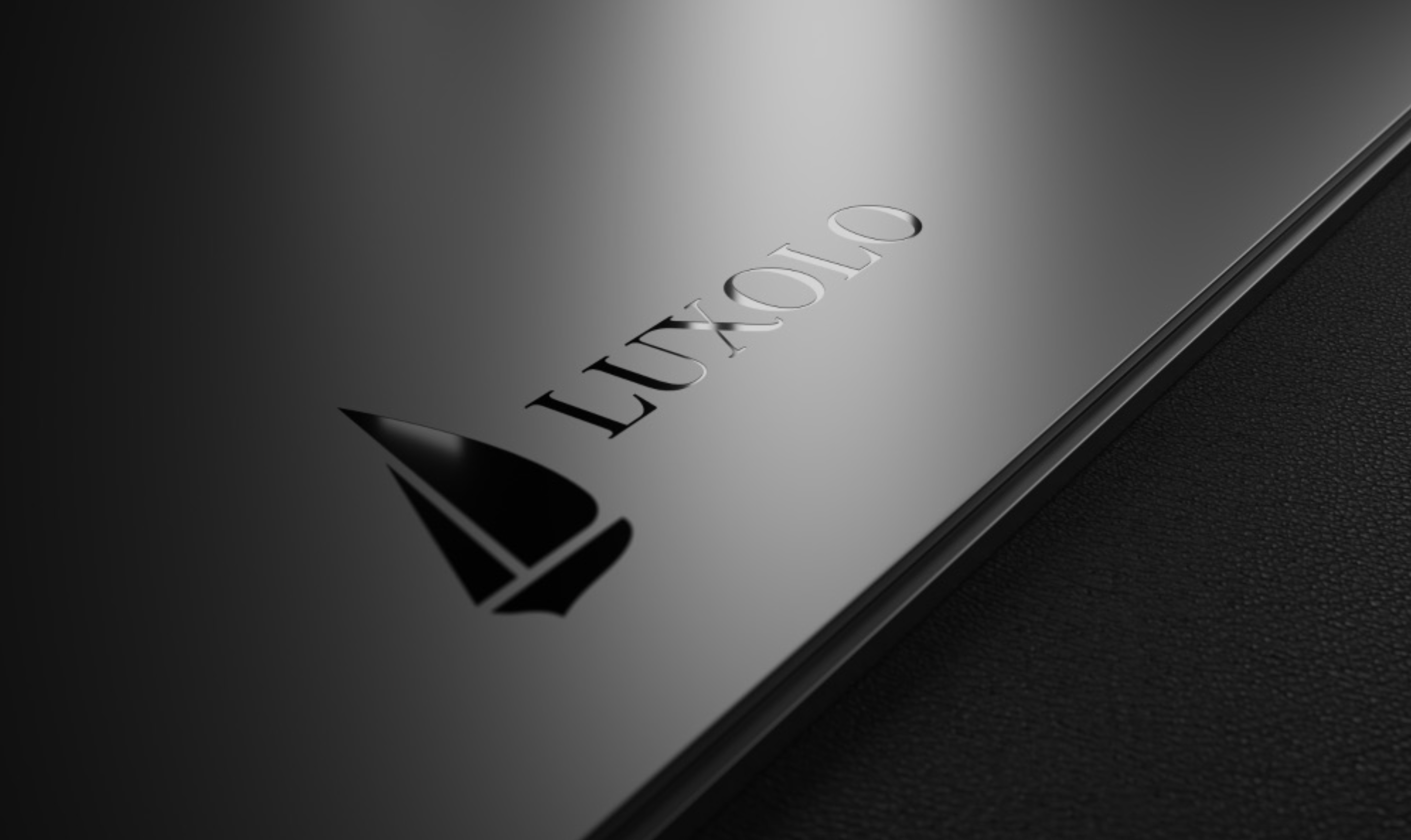
Last year I worked on a brand identity for a crypto exchange called Luxolo. The company was built for high-net-worth investors who were completely exhausted by the chaos of the crypto world. Every platform in the category looked the same: dark UI, aggressive gradients, futuristic typography, charts flying everywhere. The obvious move would have been to make another crypto logo. A coin. A chain. Some geometric blockchain symbol pretending to look innovative. We did none of that. The mark became a sailboat. On paper, a sailboat has nothing to do with cryptocurrency. But emotionally, it had everything to do with the experience Luxolo was trying to create. Crypto is unpredictable. Volatile. Most people feel like they're drowning half the time. Luxolo wasn't trying to position itself as another exciting platform. It was positioning itself as stability. Guidance. Calm under pressure. A trusted hand navigating rough water. The sailboat carried all of that immediately. A coin never could. That's the difference between a logo that describes something and a logo that means something.
The Better Question
When clients ask: "Can the logo show what we do?" I think the better question is:
What do we want this symbol to stand for over time?
Because description is temporary. Meaning compounds. The best logos become containers for reputation, memory, trust, and feeling. Over time, the symbol stops representing the product and starts representing everything people associate with the company itself. That's the real job. A logo doesn't have to explain what a company does. It has to become synonymous with what the company means.
——
Tucker Oelsen is a brand and web designer based in Austin, Texas, working with hospitality, luxury living, and lifestyle brands.