The Typography Mistake That Flattens a Brand
There's a mistake I see constantly in branding work. The designer creates a really thoughtful wordmark. Custom letterforms. Beautiful proportions. A typeface chosen with actual intention behind it. Then they turn around and use that exact same typeface as the headline font across the entire brand. At first, it feels smart. Consistent. Efficient. Like the whole system is "locked in." In reality, it's one of the fastest ways to weaken a logo.
Why Designers Do This
The instinct makes sense. If the logo uses a serif, why not use that serif everywhere? The brand will feel cohesive. The visual language will feel unified. The client gets consistency across the entire system. But a logo and a typography system are doing completely different jobs. That's the part people miss. A logo is supposed to feel distinct. Protected. Slightly rare. Typography systems are built for repetition. They handle:
- headlines
- menus
- navigation
- websites
- packaging
- presentations
- body copy
- signage
They're the everyday voice of the brand. The moment the logo typography becomes the typography system, the logo stops feeling special. It starts feeling like a headline. And once that happens, the hierarchy of the entire identity starts collapsing. I’ve definitely made this mistake before.
The Logo Stops Feeling Like a Symbol
Strong logos work because they occupy their own territory inside the brand. You see them sparingly. They carry weight. They create recognition through repetition over time. But when the exact same letterforms start appearing everywhere — every headline, every social graphic, every menu title — the logo loses separation from the rest of the system. It becomes wallpaper. And wallpaper doesn't build memory very well.
Typography Isn't Just "Picking a Font"
This is another place branding conversations get flattened. People think typography means: "What font are we using?" That's barely the beginning. Typography is really about:
- hierarchy
- pacing
- rhythm
- tension
- emotional tone
- how language behaves visually
A strong typography system creates contrast between different jobs. The wordmark does one thing. The headlines do another. The body copy does another. Good branding happens when all of those pieces work together without blending into each other. That tension is where a lot of the craft actually lives.
What This Looks Like in Practice
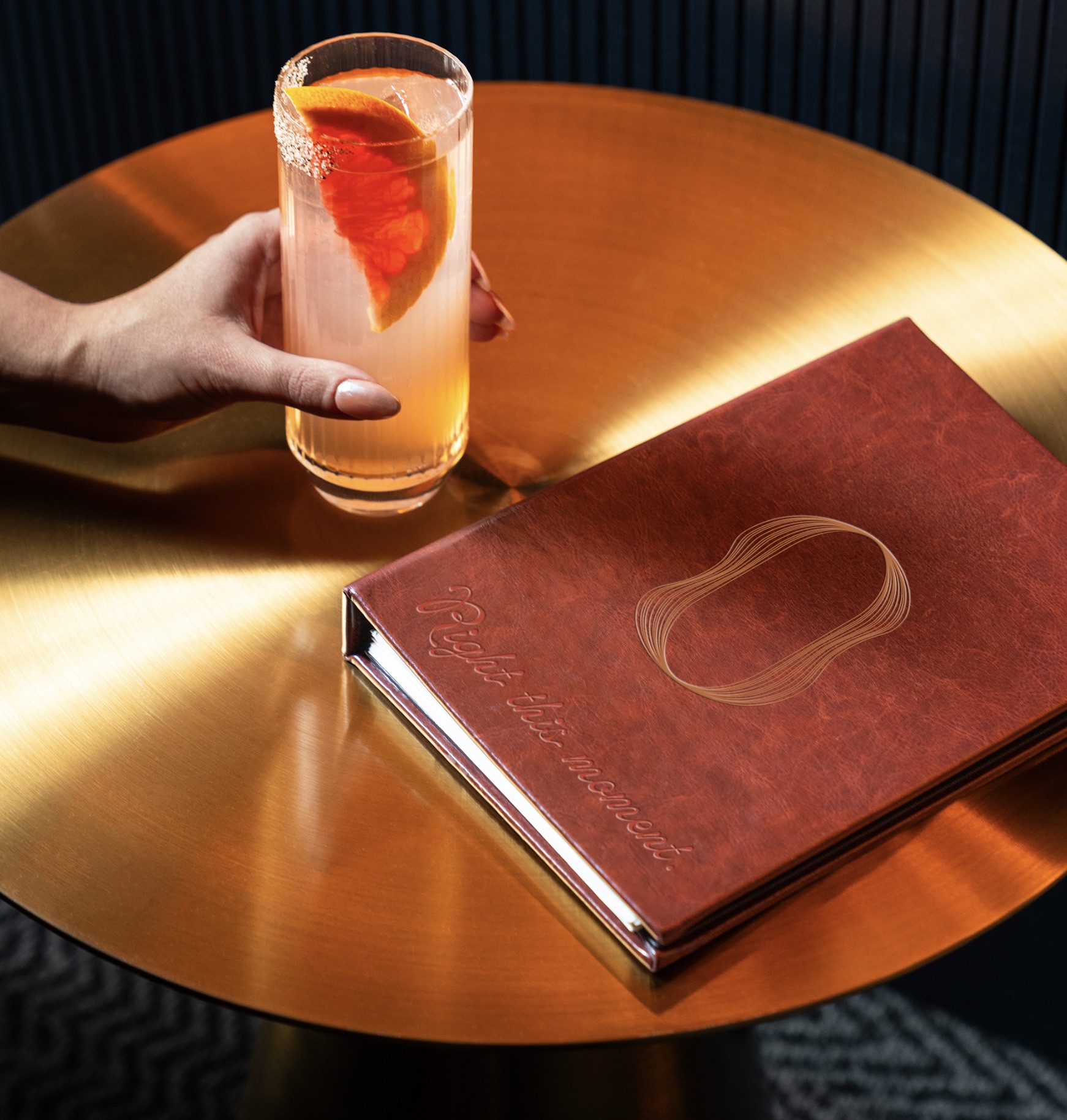
I recently wrapped up a brand identity for an Italian restaurant called ORA. The word ora means "now" in Italian. The tagline is Right This Moment. The wordmark was built letter by letter to feel slightly imperfect and handmade — almost like pasta being pulled by hand. It's expressive. A little irregular on purpose. Specific to the restaurant itself. That only works because the mark is protected. The rest of the typography system uses something completely different:
- cleaner
- more restrained
- more editorial
The menus, signage, website, and supporting materials all use typography designed to carry information clearly without competing with the logo. That contrast is what gives the wordmark its presence. If we used the same expressive typography everywhere, the logo would lose the thing that makes it memorable in the first place.
Most of the Craft Lives in the Details
The funny part is most clients never consciously notice the decisions that actually make typography systems work. Not directly, at least. But they feel them constantly. Things like:
- spacing between letters
- line height
- scale relationships
- weight contrast
- pacing between headings and body copy
- how much room typography has to breathe
That's the difference between branding that feels considered and branding that feels almost right. Most people can't explain why one feels more premium than the other. They just feel it.
The Better Question
Instead of asking: "What font should this brand use?" the better question is:
What jobs does this brand's language need to do?
Because a logo isn't doing the same job as:
- a website headline
- a menu
- a presentation deck
- a paragraph of body copy
- signage viewed from twenty feet away
Different jobs require different tools. That's where typography stops becoming decoration and starts becoming design.
——
Tucker Oelsen is a brand and web designer based in Austin, Texas, working with hospitality, luxury living, and lifestyle brands.